 Call Us
 Enquiry now
An air conditioner stops cooling during office hours. A water pump breaks down, leaving an entire floor without water. An electrical fault interrupts work for several hours.
These problems can be frustrating and expensive. In many cases, they also come with warning signs that could have been identified earlier.
That’s where preventive maintenance for commercial buildings makes a difference. Regular inspections and timely servicing help keep essential equipment in working condition and reduce unexpected breakdowns.
For offices, shopping malls, factories, and other commercial properties, having a proper maintenance plan is an important part of everyday facility management.
What Is Preventive Maintenance in Commercial Buildings?
Preventive maintenance means checking and servicing building equipment at planned intervals instead of waiting for something to fail.
It covers essential systems such as air conditioning, electrical installations, plumbing, water pumps, and fire protection equipment.
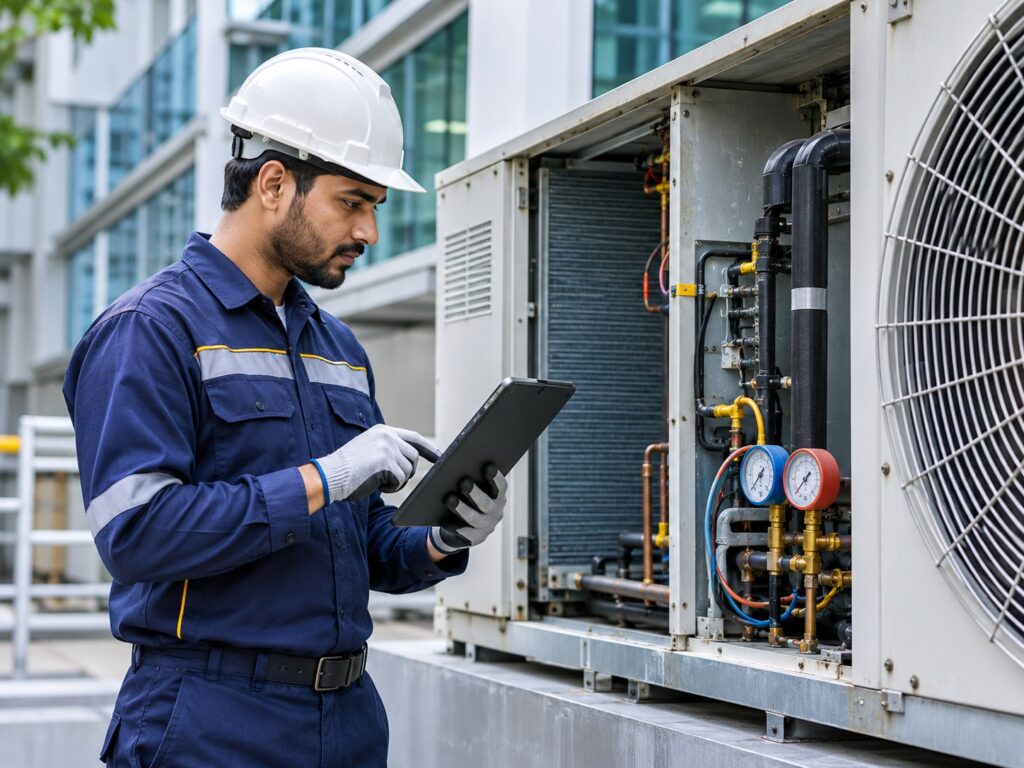
For example, an HVAC technician might notice a worn belt during a routine inspection. Replacing it early could prevent an unexpected air conditioning failure.
At Casa Grande PropCare, Operations and Maintenance services support the regular upkeep and reliable operation of building infrastructure.
Why Is Preventive Maintenance Important?
1. Prevents Avoidable Equipment Breakdowns
Small equipment problems can become major repairs when ignored.
Regular inspections help technicians identify warning signs such as unusual noises, overheating, leaks, or worn components before they cause further damage.
2. Helps Control Maintenance Costs
A planned repair is often easier to manage than an emergency breakdown.
Preventive maintenance allows facility managers to schedule servicing, arrange replacement parts, and plan maintenance spending.
It can also reduce the additional costs associated with unplanned downtime.
3. Supports Equipment Life and Performance
Commercial buildings depend on expensive systems that operate for long hours.
Regular servicing helps maintain equipment condition and identify issues that could cause premature wear.
For instance, scheduled HVAC maintenance helps keep air conditioning and ventilation equipment operating as intended.
4. Improves Workplace Safety
Faulty electrical connections, leaking pipes, and damaged equipment can create safety concerns.
Routine inspections help facility managers identify issues that require professional attention.
Casa Grande PropCare’s MEP services support the maintenance of mechanical, electrical, and plumbing systems in commercial properties.
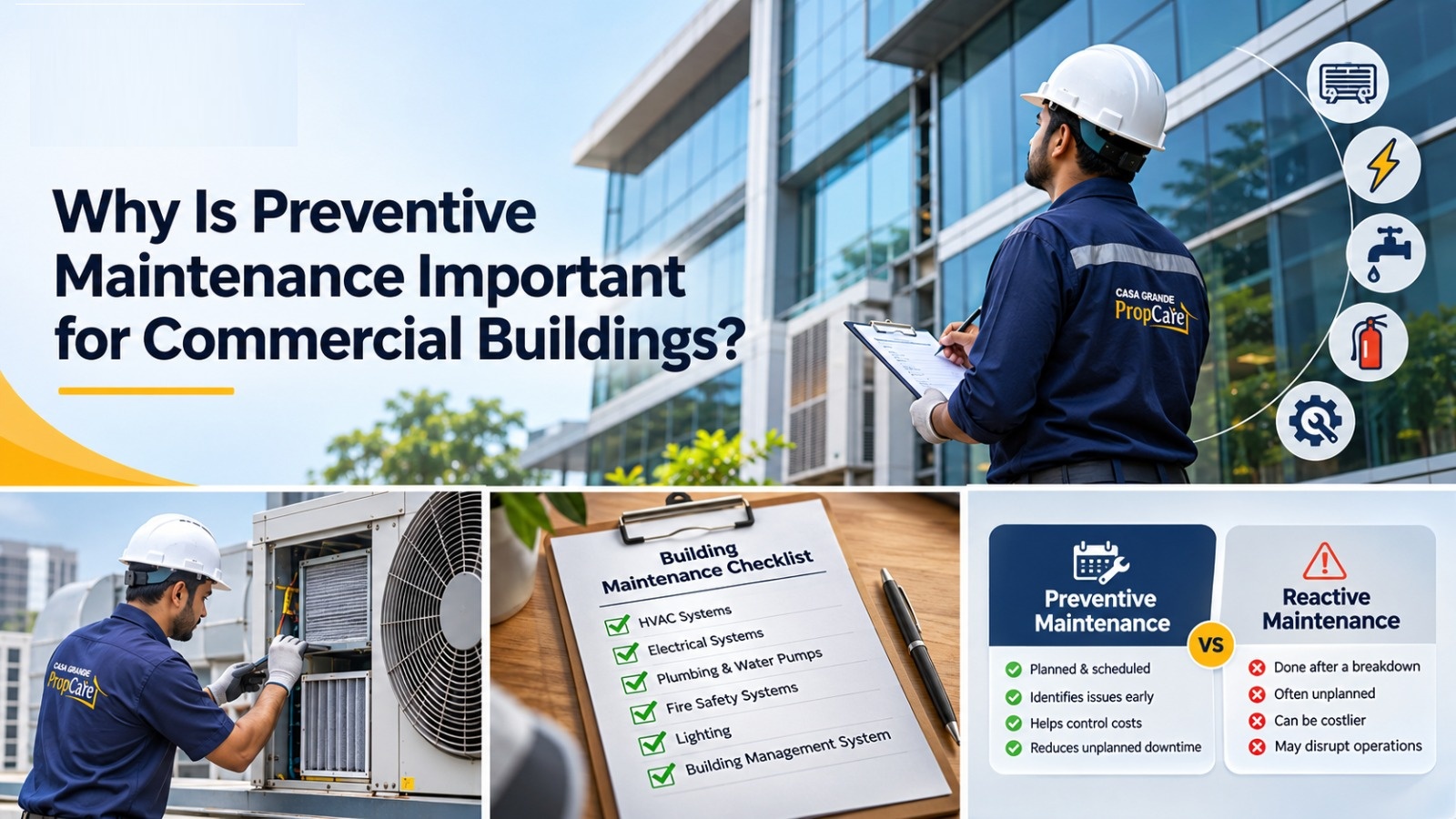
Preventive Maintenance vs Reactive Maintenance
The main difference between these approaches is when the work takes place.
| Preventive Maintenance | Reactive Maintenance |
| Equipment is checked before failure | Equipment is repaired after a problem occurs |
| Follows planned maintenance schedules | Usually involves unplanned repairs |
| Helps identify developing faults | Addresses faults after they appear |
| Supports predictable maintenance budgets | Can involve unexpected expenses |
| Reduces the risk of avoidable downtime | May cause operational interruptions |
Example: During a scheduled inspection, a technician notices unusual vibration in a water pump and arranges repairs. Without that inspection, the pump might continue operating until a component fails.
Preventive maintenance gives facility teams an opportunity to address problems earlier, although unexpected repairs may still be necessary.
Common Equipment Failures That Preventive Maintenance Can Help Avoid
Many commercial building failures begin with small issues.
HVAC problems: Dirty filters, worn belts, and blocked drains can affect cooling performance. Scheduled inspections help identify these problems.
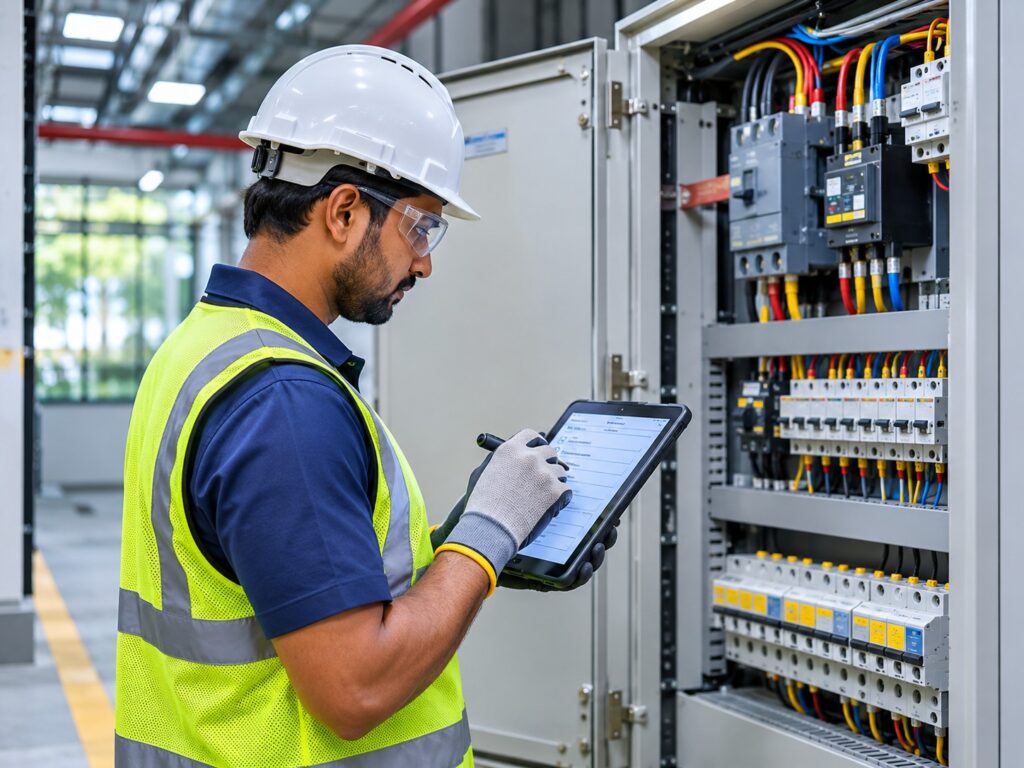
Electrical faults: Loose connections, damaged components, and overheating may lead to equipment failure or safety risks. Qualified electrical inspections help detect such issues.
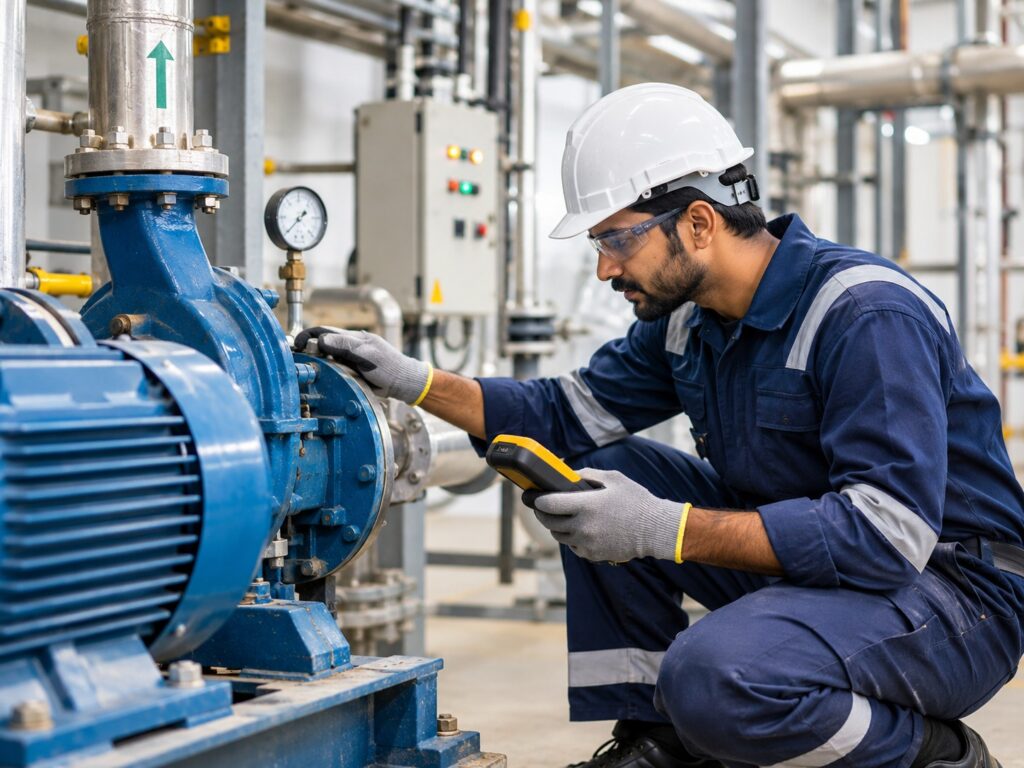
Water pump failures: Leaks, worn bearings, and unusual vibration may indicate developing mechanical problems. Routine monitoring helps technicians plan corrective action.
Plumbing leaks: Damaged fittings and deteriorating pipes can cause water damage when left unattended. Regular checks help identify visible signs of leakage.
These examples show why maintenance should be scheduled around equipment condition and operational needs.
Building Maintenance Checklist for Commercial Properties
A practical building maintenance checklist helps facility managers track routine inspections and pending work.
| Building System | Maintenance Checklist |
| HVAC Systems | Check filters, operating performance, leaks, and unusual noises |
| Electrical Systems | Review panel conditions, reported faults, and inspection records |
| Plumbing | Inspect accessible pipes, taps, drainage, and visible leaks |
| Water Pumps | Monitor pressure, vibration, noise, and leakage |
| Fire Safety Systems | Check system status and complete required inspections and testing |
| Lighting | Identify faulty lights and damaged fixtures |
| Building Management System | Review alerts, operating schedules, and abnormal readings |
| Emergency Power | Review equipment status and required maintenance records |
The maintenance frequency should follow manufacturer recommendations, equipment usage, and applicable safety requirements.
Facility managers should also document inspection dates, identified problems, assigned technicians, and completed repairs.
How Casa Grande PropCare Supports Commercial Building Maintenance
Commercial buildings need regular technical attention to operate reliably.
Casa Grande PropCare provides integrated facility management services to support the daily operation and maintenance of commercial and industrial properties.
Its technical service portfolio includes:
- Operations and Maintenance Services for planned maintenance, equipment monitoring, and technical upkeep.
- HVAC Services for maintaining air conditioning and ventilation systems.
- MEP Services for mechanical, electrical, and plumbing infrastructure.
By coordinating maintenance activities and monitoring building systems, facility teams can address developing problems and reduce avoidable operational interruptions.
Frequently Asked Questions
1. What is preventive maintenance for commercial buildings?
Preventive maintenance involves inspecting and servicing building equipment at planned intervals to reduce unexpected breakdowns and maintain reliable operations.
2. What should a building maintenance checklist include?
It should cover HVAC, electrical systems, plumbing, water pumps, fire safety equipment, lighting, and other essential building systems. Inspection findings and completed repairs should also be recorded.
3. How often should commercial buildings undergo preventive maintenance?
Maintenance frequency depends on the equipment, operating hours, manufacturer recommendations, and applicable regulations. Facility managers should establish schedules based on these requirements.
4. Can preventive maintenance reduce operating costs?
Yes. Identifying problems early can help prevent certain emergency repairs, reduce avoidable downtime, and support longer equipment life. Actual savings depend on the building and maintenance programme.
Conclusion
Preventive maintenance helps commercial buildings stay operational by identifying equipment problems before they lead to major failures. With regular inspections, planned servicing, and proper maintenance records, property managers can make better decisions about building upkeep.
Looking for reliable commercial building maintenance support?
Contact Casa Grande PropCare to discuss your facility’s maintenance requirements.
Phone: 96770 16000 | 96770 17000
Email: services@casagrandepropcare.com
Website: https://casagrandepropcare.com/